Education Programs for Refugees

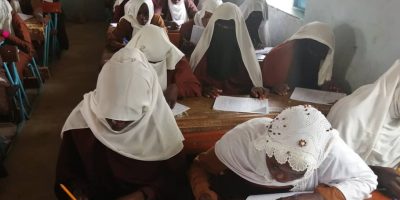
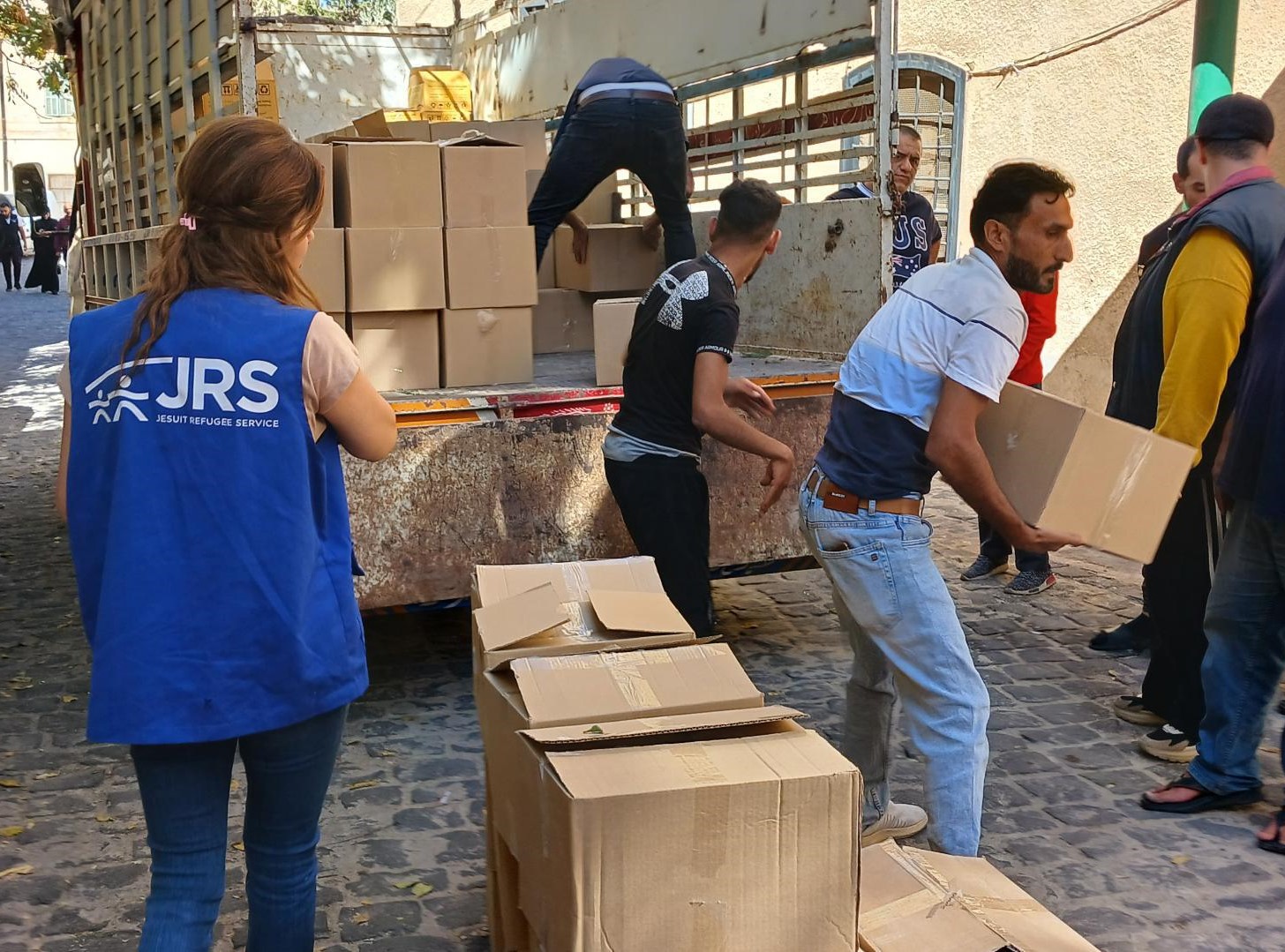
Jesuit Refugee Service (JRS) education programs support refugees and other forcibly displaced people through early childhood learning, primary and secondary education, adult literacy, vocational training, and higher education opportunities. By expanding access to quality education, JRS helps refugees build the knowledge and skills needed to rebuild their lives and strengthen their communities.
Across displacement settings around the world, education is one of the most powerful tools for restoring dignity and opportunity. When children and youth are forced to flee their homes, access to schooling is often disrupted for months or even years. JRS works to ensure that displaced learners can continue their education and develop the skills necessary for long-term stability and self-reliance.
JRS Education Programs: Quick Facts
- Program Focus: Refugee education and lifelong learning
- Where Programs Operate: Refugee camps, urban refugee settings, and displacement-affected communities worldwide
- Levels of Education: Early childhood, primary, secondary, adult literacy, vocational training, and higher education
- Goal: Provide quality education that supports healing, resilience, and long-term self-reliance
Why Education Matters for Refugees
For children and youth forced to flee their homes, education provides more than academic learning. It offers stability, protection, and hope in situations of crisis. Access to school can help protect children from exploitation, trafficking, and violence while restoring a sense of routine and safety.
Education programs also help young people and adults build the skills needed to support themselves and contribute to their communities. In displacement contexts where employment opportunities are limited, education and training can open pathways to meaningful work and long-term independence.
JRS views education as both a humanitarian response and a long-term investment in peace, resilience, and community development. Many displaced students also benefit from integrated services such as mental health and psychosocial support programs, which help children and families process their experiences and maintain emotional wellbeing while continuing their education.
JRS/USA also advocates for policies in the U.S. that strengthen access to refugee education worldwide. Learn more about our refugee education policy priorities.
Global Education Challenges
- Over half of refugee children worldwide are not enrolled in school
- Displacement often interrupts education for years
- Language barriers and lack of documentation prevent many refugees from accessing formal education
What JRS Education Programs Provide
JRS provides learning opportunities for refugees at multiple stages of life. Programs are designed to respond to the specific challenges faced by displaced communities, including language barriers, interrupted schooling, and limited access to formal education systems.
Early Childhood Education
Early childhood programs support young children through safe learning environments that promote cognitive development, emotional wellbeing, and social skills during the earliest years of life.
Primary and Secondary Education
JRS supports access to primary and secondary education through tutoring programs, learning centers, language instruction, and partnerships with local schools. These programs help children who have experienced interrupted schooling re-enter the classroom and continue their education.
Adult Literacy and Language Programs
Many displaced adults arrive in host communities without the language skills or educational credentials required to access employment. Adult literacy and language programs help refugees gain essential skills that allow them to participate more fully in their communities.
Vocational Training and Skills Development
Vocational programs provide practical job training in fields such as technology, trades, entrepreneurship, and professional skills. These programs—many of which are are connected to livelihoods initiatives—help refugees develop pathways toward economic stability.
Higher Education Opportunities
JRS also works with universities and partners to expand access to higher education for refugee students through scholarships, online learning opportunities, and bridge programs that prepare students for university studies.
Related JRS Programs
Where JRS Education Programs Operate
JRS education initiatives operate in refugee camps, urban displacement settings, and host communities around the world. Programs are implemented across multiple regions where JRS accompanies refugees and displaced people.
- Middle East and North Africa – Education programs support refugees affected by conflict and displacement across the region.
- Africa – JRS education initiatives help displaced children and youth access learning opportunities across several African countries.
- Asia Pacific – Programs support refugee education in both urban and camp-based displacement contexts.
- Latin America and the Caribbean – JRS provides education and integration programs for displaced communities across the region.
- Europe – JRS supports refugee education and integration initiatives in European host communities.
Education in Emergencies and Protracted Displacement
JRS education initiatives operate in both emergency situations and long-term displacement contexts. Programs are designed to adapt to the realities of refugee camps, urban displacement, and communities recovering from conflict.
By combining formal education, informal learning, and skills training, JRS helps displaced learners continue their education even in unstable or resource-limited environments.
How Education Strengthens Communities
Education programs benefit not only individual students but entire communities. When refugees gain access to quality education, they develop the skills needed to support their families, contribute to local economies, and participate in rebuilding societies affected by conflict and displacement.
Through education, JRS works alongside refugees to create opportunities for long-term stability, social cohesion, and sustainable development.
Read stories from educators and students participating in JRS education programs in our teacher training programs.
Common Questions About Refugee Education
Why is education important in refugee situations?
Education provides stability and protection for children affected by displacement while helping youth and adults develop skills needed for employment and self-reliance.
What barriers prevent refugees from accessing education?
Refugees often face barriers including language differences, lack of documentation, financial hardship, and limited access to schools in displacement settings.
Frequently Asked Questions
What education programs does JRS provide?
JRS education programs include early childhood learning, primary and secondary education support, adult literacy courses, vocational training, and higher education opportunities for refugees and displaced people.
Where does JRS provide education programs?
JRS education programs operate in refugee camps, urban refugee communities, and displacement-affected regions across more than 50 countries.
Who benefits from JRS education programs?
Children, youth, and adults affected by forced displacement benefit from JRS education programs. These programs support refugees, asylum seekers, and vulnerable host communities.
How does education help refugees rebuild their lives?
Education helps refugees gain skills, confidence, and opportunities for employment. It also provides structure and hope during displacement, helping individuals rebuild their futures.
Program Stories
JRS INSIDER | Building Skills, Confidence, and Opportunity in Malawi
03 September 2026

JRS is a Lifeline for Learning in South Sudan
29 May 2026
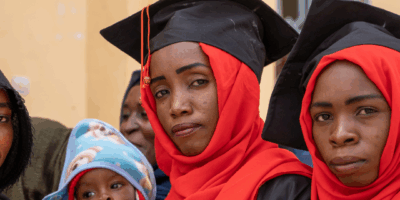
The Frontlines of Humanitarian Aid Cuts: South Sudan, Kenya, and Lebanon One Year Later
19 February 2026
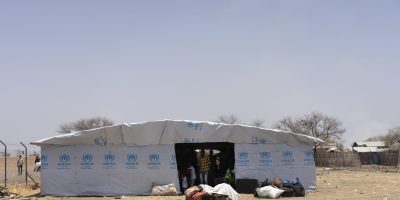
JRS INSIDER | Where a Church Opened Its Doors, Community Took Root
06 February 2026

JRS INSIDER | Walking with Refugee Women in Athens
22 December 2025
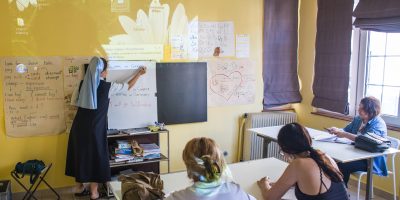
Maryam’s journey of hope
06 November 2025
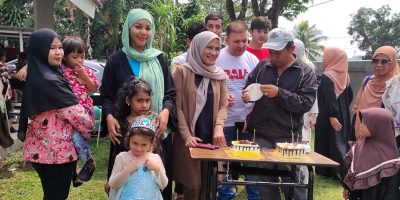
Despite Funding Crisis, Refugee Students in Chad Complete Final Exams
08 September 2025